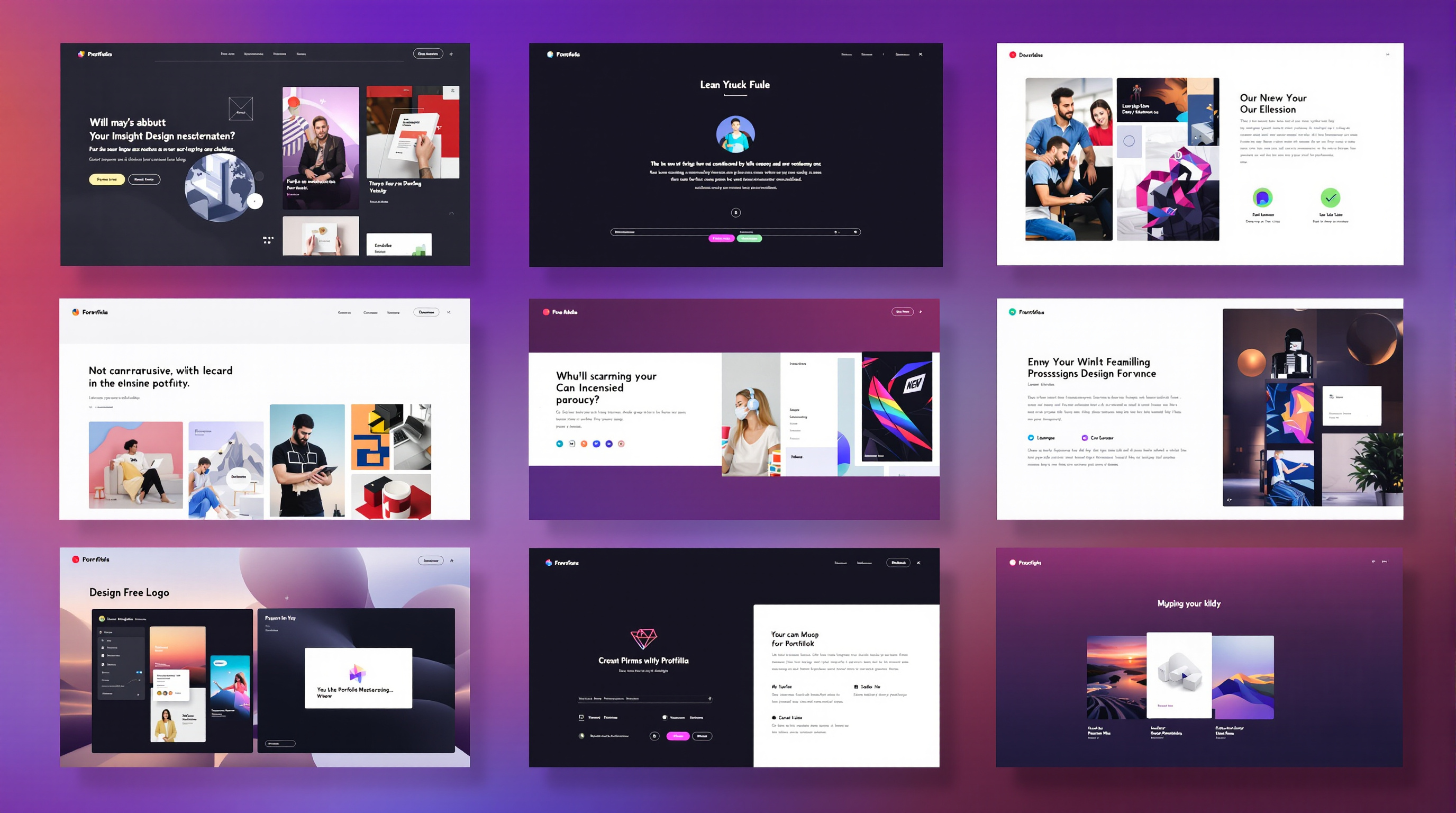
A strong portfolio is the most important tool in a designer's arsenal. It demonstrates your abilities, communicates your style, and convinces potential clients or employers that you are the right person for their project. This guide explores portfolio best practices and showcases effective approaches to presenting creative work.
The Purpose of a Design Portfolio
Your portfolio serves multiple purposes. It is a proof of skill, showing what you can actually do rather than just claiming capabilities. It is a style indicator, helping potential clients understand your aesthetic sensibilities. It is a conversation starter, providing specific examples to discuss during interviews or client meetings.
According to career resources from AIGA, a well-crafted portfolio often matters more than formal credentials in design hiring decisions. Your portfolio tells the story of who you are as a designer.
Portfolio Fundamentals
Quality Over Quantity
Include only your best work. Ten excellent pieces create a stronger impression than thirty mediocre ones. Each project should demonstrate specific skills or solve particular problems. If a piece does not strengthen your overall presentation, remove it.
Case Study Approach
Modern portfolios go beyond showing final images. Case studies explain the problem, your process, and the results. This approach demonstrates strategic thinking and problem-solving abilities, not just aesthetic skills. Clients want to understand how you work.
Tailored Presentations
Your portfolio should adapt to different audiences. An agency applying for packaging projects needs different emphasis than one pursuing web design clients. Maintain a master portfolio but curate selections for specific opportunities.
Portfolio Essentials
- 6-12 projects: Enough to show range without overwhelming
- Project context: Brief description of goals and constraints
- Your role: Clear explanation of your contribution
- Results: Outcomes or impact where measurable
- High-quality images: Professional presentation of work
- Easy navigation: Let viewers explore efficiently
Building Your Portfolio
Starting Without Client Work
New designers often worry about the chicken-and-egg problem: how to get work without a portfolio, and how to build a portfolio without work. The solution is creating speculative projects. Redesign existing products, create solutions for fictional clients, or participate in design challenges. These demonstrate skills just as effectively as client work.
Documenting Projects
Document projects as you work, not just at completion. Capture process sketches, iteration stages, and behind-the-scenes elements. These materials enrich case studies and show your working methodology. Once a project ends, recreating this documentation is nearly impossible.
Presenting Context
Every project exists within context: client goals, user needs, constraints, and success criteria. Presenting this context helps viewers understand your work's significance. A simple business card design becomes more impressive when you explain the strategic thinking behind every choice.
Portfolio Platforms
Designers today have numerous options for presenting work online:
Personal Websites
Custom websites offer complete control over presentation and branding. Platforms like Squarespace, Webflow, and WordPress make building portfolio sites accessible even without coding skills. Personal domains establish professional credibility.
Portfolio Platforms
Platforms like Behance and Dribbble provide built-in audiences and networking opportunities. These can supplement but should not replace a personal website. Platform-specific constraints may limit how you present work.
PDF Portfolios
Despite digital dominance, PDF portfolios remain relevant for job applications and client presentations. They ensure consistent viewing experiences and work offline. Maintain a polished PDF version alongside your online presence.
Common Portfolio Mistakes
- Including everything: More is not better; curate ruthlessly
- Neglecting context: Images without explanation lack meaning
- Outdated work: Old projects suggest stagnant skills
- Poor navigation: Confusing structure frustrates viewers
- Slow loading: Performance matters for online portfolios
- Ignoring mobile: Many viewers browse on phones
Your portfolio is never finished. It evolves as you grow, reflecting your current capabilities and aspirations. Regular updates ensure it represents your best self.
Beyond the Portfolio
While portfolios are essential, they work best as part of a broader professional presence. Maintain active profiles on relevant platforms, engage with design communities, and continue developing skills. The portfolio opens doors; your ongoing professional development keeps them open.
Maintaining Your Portfolio Over Time
A portfolio that remains static for years signals stagnation rather than growth. Schedule periodic reviews, at minimum quarterly, to evaluate whether your showcased work still represents your current skill level and professional direction. Remove projects that no longer reflect where you are heading, even if they performed well at the time. Replacing dated work with recent projects demonstrates momentum and keeps your presentation competitive.
Track which portfolio pieces generate the most inquiries or positive responses, and use that data to inform future curation decisions. Analytics from your portfolio website can reveal which case studies visitors spend the most time on, providing insights into what resonates with potential clients or employers.
Related Resources
- Freelance Tips - Building your design business
- Web Design - Creating portfolio websites
- Graphic Design - Presenting visual work