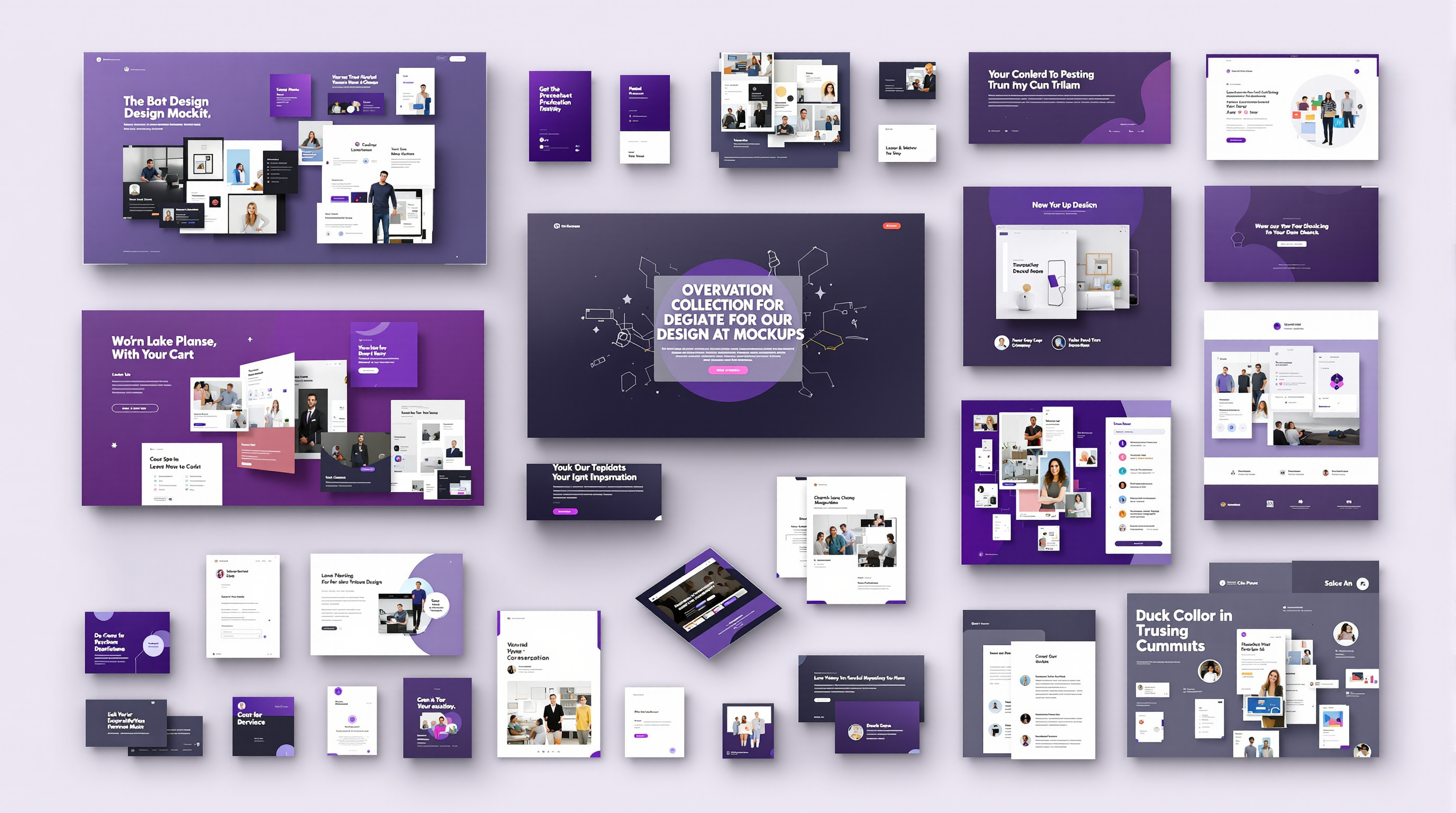
Design templates have revolutionized how businesses and individuals approach their visual communication needs. These pre-made layouts, created by professional designers, provide a foundation that can be customized to match specific brand requirements while ensuring quality design principles are already in place.
The Value of Templates
Templates save time and money while maintaining design quality. For small businesses without dedicated design teams, templates provide access to professional-grade designs at a fraction of custom design costs. Even experienced designers use templates to accelerate workflow and maintain consistency.
The template market has matured significantly. Platforms like ThemeForest and Creative Market offer thousands of high-quality options for websites, presentations, social media, and print materials. The key is selecting templates that align with your brand and knowing how to customize them effectively.
Types of Design Templates
Website Templates
Website templates range from simple one-page designs to complex e-commerce platforms. Modern website templates are typically responsive, meaning they adapt to different screen sizes automatically. When selecting website templates, consider your content management needs, customization options, and long-term scalability.
Presentation Templates
Effective presentations require consistent, professional design. Presentation templates for platforms like PowerPoint, Keynote, and Google Slides provide coordinated slide layouts, color schemes, and typography that make your content shine. Look for templates with variety in layout options to keep audiences engaged.
Social Media Templates
Consistent social media presence requires regular content creation. Templates for Instagram posts, stories, Facebook covers, and other platforms help maintain brand consistency while speeding up content production. Many templates come in packages with multiple coordinated designs.
Print Templates
Business cards, brochures, flyers, and other print materials benefit from professional template design. Print templates must account for bleed areas, safe zones, and print specifications. Ensure templates are available in proper formats like PDF with CMYK color space.
Template Selection Checklist
- Does the style align with your brand personality?
- Is the template fully customizable?
- Does it include documentation and support?
- Are all necessary file formats provided?
- What licensing terms apply to your intended use?
- Has the template been recently updated?
Customizing Templates Effectively
A template is a starting point, not a final product. Effective customization transforms a generic template into a unique representation of your brand. The goal is leveraging the template's structure and design quality while making it distinctly yours.
Brand Color Integration
Replace template colors with your brand palette. Most quality templates are designed for easy color swapping. Ensure color changes maintain sufficient contrast and readability. Reference your brand style guide for consistent application.
Typography Customization
Swap in your brand fonts while maintaining the template's typographic hierarchy. Pay attention to font sizes, weights, and spacing to ensure your substituted fonts work harmoniously. Sometimes slight adjustments are needed to maintain visual balance.
Image Replacement
Stock photos included with templates should be replaced with original or brand-specific imagery. Maintain similar image dimensions and styles for consistent results. High-quality photography significantly impacts the final design quality.
When Templates Are Not Enough
Templates excel for standard applications and time-sensitive projects. However, some situations call for fully custom template development. Consider custom solutions when your needs fall outside standard template categories, when brand uniqueness is critical, or when templates cannot accommodate your specific functionality requirements.
Understanding templates' limitations helps you make informed decisions about when to use them and when to invest in custom design. Many organizations use a hybrid approach: templates for routine materials and custom design for flagship assets.
Templates democratize good design. They allow anyone to create professional-looking materials while learning design principles through practical application.
Avoiding Common Template Mistakes
- Using templates without customization: Generic templates undermine brand identity
- Ignoring responsive behavior: Test website templates across devices
- Overlooking licensing terms: Some templates have usage restrictions
- Keeping placeholder content: Double-check all text and images are replaced
- Neglecting performance: Website templates may need optimization
Related Resources
- Custom Template Design - When to go bespoke
- Web Design Fundamentals - Understanding website structure
- Design Tools - Software for template customization